


Оформление заказа
Вы ищете решение:

Выберите свой вариант, и мы составим для вас наиболее выгодное
предложение


Контроль и безопасность данных гостей в гостиничном IPTV
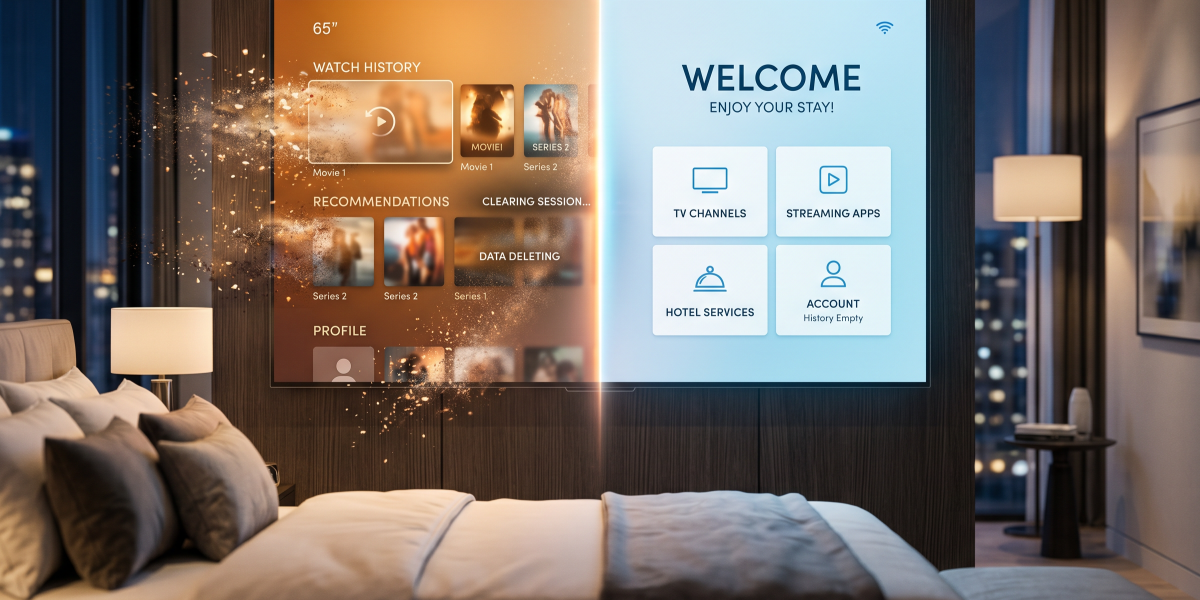
Гостиничный номер всегда воспринимался как пространство, где гость может расслабиться и чувствовать себя в безопасности. Но по мере того как в номерах появляются Smart TV, стриминговые сервисы и интерактивные функции, привычная логика меняется. Теперь задача отелей – обеспечить не только комфорт, но и безопасность данных гостей.
Сегодня телевизор в номере уже не ограничивается эфирными каналами. Гости заходят в личные аккаунты, смотрят контент через собственные подписки, взаимодействуют с интерфейсом, который хранит их предпочтения. И именно в этот момент возникает вопрос: что происходит с этими данными после выезда?
Эта проблема перестала быть теоретической. По данным отраслевых исследований, гостиничный сектор регулярно сталкивается с инцидентами, связанными с утечкой данных, а уровень обеспокоенности пользователей вопросами конфиденциальности стабильно растёт. Это означает, что безопасность больше нельзя рассматривать как второстепенный аспект цифровых сервисов.
Как изменилось поведение гостей – и почему это важно
Чтобы понять масштаб проблемы, достаточно посмотреть на то, как изменилось потребление контента за последние годы. IPTV и OTT-сервисы не просто усилили конкуренцию с линейным телевидением – они полностью изменили модель просмотра.
В 2025 году стриминг впервые обошел традиционное ТВ по доле времени просмотра. Об этом свидетельствуют данные исследований Nielsen и Accio:
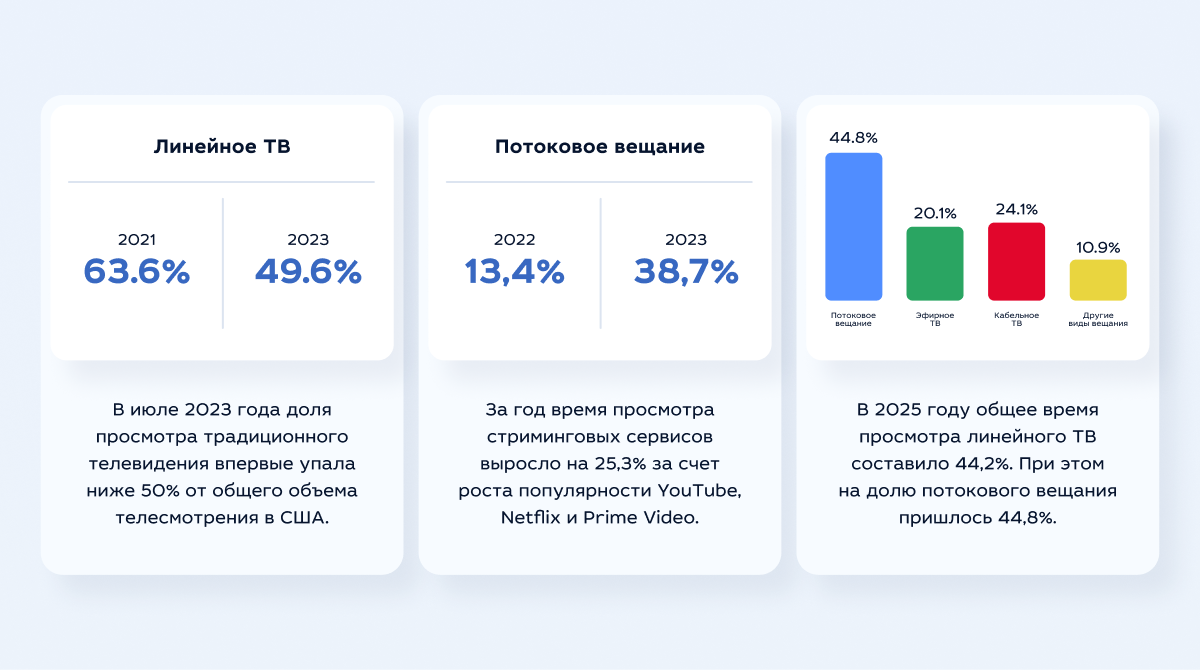
IPTV продолжает активно расти и в ближайшие годы станет одной из доминирующих технологий доставки контента. Это напрямую влияет на гостиничный сегмент: гости больше не воспринимают телевизор как источник фонового развлечения. Они используют его так же, как дома – с авторизацией, персональными рекомендациями и историей просмотра.
Данные гостя: что происходит «между заездами»
Самый уязвимый момент в гостиничном IPTV – это не вход в систему, а момент, когда пользователь её покидает.
В обычной домашней среде устройство принадлежит одному человеку или семье. В отеле всё иначе: один и тот же телевизор за короткий промежуток времени используют десятки людей. Каждый из них может авторизоваться в личных сервисах, смотреть контент, взаимодействовать с интерфейсом. Но далеко не всегда происходит корректное завершение сессии.
На практике это выглядит так: гость выезжает, а следующий гость может увидеть чужой аккаунт, историю просмотров и даже персональные рекомендации. Именно здесь становится очевидно, что речь идёт не о «мелком неудобстве», а о полноценной утечке данных, и проблема выходит за пределы технологии, становясь вопросом доверия.
Безопасность как фактор доверия
В гостиничном бизнесе доверие всегда было нематериальным активом. Но если раньше оно строилось вокруг сервиса и комфорта, то сегодня к этому добавляется ещё один параметр – цифровая безопасность.
Исследования показывают, что пользователи всё чаще принимают решения, исходя из того, насколько безопасно чувствуют себя при использовании сервисов. Так, данные опроса Cisco 2024 года свидетельствуют о том, что 75% клиентов готовы отказаться от покупок у компаний, которым не доверяют свои данные.
Потеря контроля над данными влияет не только на восприятие технологии, но и на отношение к бренду в целом. Для отеля это означает простую вещь: даже единичный инцидент может повлиять на репутацию сильнее, чем десятки положительных отзывов.
Где проходит граница между удобством и контролем
На первый взгляд может показаться, что безопасность противоречит удобству. Чем больше ограничений, тем сложнее пользоваться системой. Но практика показывает обратное. Проблема не в том, что безопасность усложняет интерфейс, а в том, что она часто реализуется неправильно. Пользователь не должен думать о защите данных – система должна делать это автоматически.
Именно здесь появляется ключевой принцип современного IPTV для гостиниц: безопасность должна быть незаметной. Если гость вынужден вручную выходить из аккаунтов или выполнять дополнительные действия, вероятность ошибки остаётся высокой. Но если система сама завершает сессию, очищает данные и возвращает устройство в исходное состояние, риск практически исчезает.
Почему проблема не решается сама собой
Можно было бы ожидать, что современные Smart TV уже учитывают сценарий смены пользователя. На практике это не так. Большинство устройств изначально разрабатываются для домашнего использования, где не предполагается смена пользователей.
В гостиничной среде возникают специфические требования:
- необходимость гарантированного удаления данных
- контроль сессий
- отсутствие накопления пользовательской информации
Если эти механизмы не реализованы на уровне системы, оператор или отель фактически теряет контроль над тем, что происходит внутри устройства. Дополнительную сложность создаёт сама природа современных устройств. Они работают с несколькими каналами связи, используют внешние сервисы и приложения, а значит, становятся частью более сложной цифровой среды. Любая несогласованность в этой цепочке увеличивает вероятность утечки.
Рынок уже предлагает устройства, в которых сценарий смены пользователя реализован на уровне системы – например, гостиничные телевизоры с автоматической очисткой данных. Однако такие механизмы характерны именно для специализированных решений и интеграция подобных устройств имеет свои нюансы.
Техническое преимущество IPTV-решения
Если смотреть на задачу через призму безопасности, разница становится принципиальной.
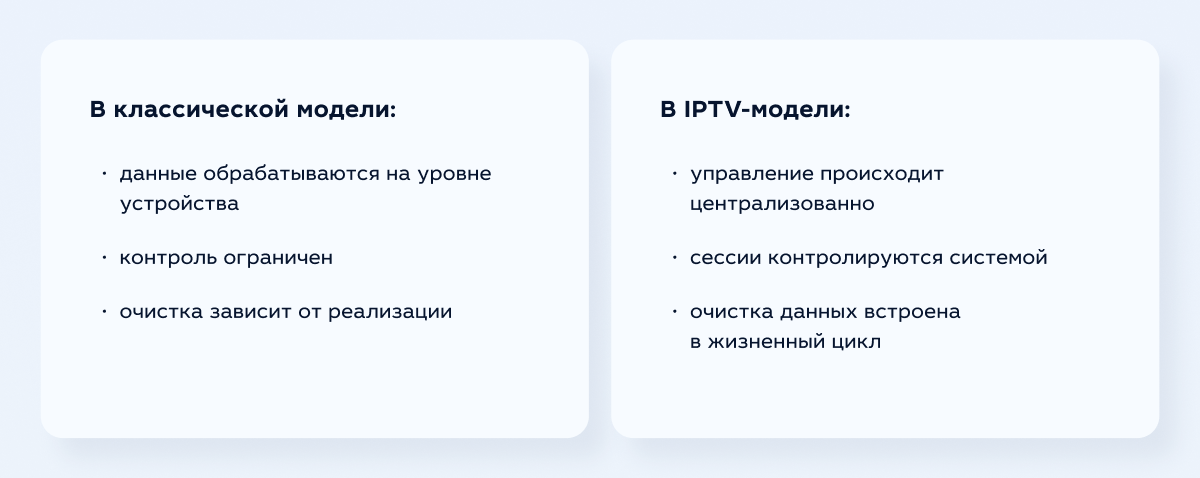
Это особенно важно в гостиничном сценарии, где один телевизор используется десятками гостей. Возможность гарантированно завершить сессию и удалить данные становится не просто удобной функцией, а обязательным требованием.
Почему IPTV становится инструментом управления, а не просто вещания
Классическое телевидение не предполагало обратной связи. IPTV, наоборот, строится на взаимодействии. Это означает, что платформа изначально имеет доступ к данным и управляет ими.
Именно поэтому IPTV может решать задачу безопасности на системном уровне:
- контролировать пользовательские сессии
- управлять доступом
- обеспечивать очистку данных
- синхронизироваться с жизненным циклом гостя
Это принципиально отличает IPTV от потребительских решений, где контроль ограничен возможностями самого устройства.
Сколько стоит безопасность: почему IPTV-решение часто выгоднее классических гостиничных телевизоров
Когда отель выбирает технологию для номеров, первый импульс почти всегда очевиден: взять готовые гостиничные телевизоры от крупных брендов. Они выглядят как безопасное решение – знакомый производитель, понятная логика, минимум внедрения. Однако если посмотреть глубже, становится заметно, что реальная экономика таких решений устроена иначе, чем кажется на старте.
Цена входа: где возникает первая иллюзия. На уровне закупки оборудование действительно может выглядеть доступным. Например, цена гостиничных моделей LG стартует примерно от €275–€540 за устройство, в зависимости от диагонали и комплектации. Но это лишь базовая стоимость экрана – без системы управления, интеграции и сервисной логики.
Если рассматривать полноценные решения уровня Samsung Hospitality, ситуация меняется. По данным отраслевых поставщиков, стоимость внедрения может начинаться от €800 на номер, не включая установку и дополнительные сервисы. При этом часть функций – особенно связанных с управлением, аналитикой или интеграцией – часто требует дополнительных лицензий или ежегодных платежей. Именно здесь возникает ключевой сдвиг: телевизор перестаёт быть единоразовой покупкой и превращается в долгосрочную статью расходов.
Сквозная экономика: почему «дешевле на старте» не значит «выгоднее»
Гостиничные телевизоры решают одну задачу – отображение контента и базовую интерактивность. Но как только отель хочет выйти за рамки базового сценария, появляются дополнительные расходы
- интеграция с PMS
- настройка интерфейса
- внедрение сервисных функций
- обновления и поддержка
Такие системы часто строятся вокруг закрытой экосистемы. Это означает, что каждое изменение – от добавления новой услуги до изменения логики интерфейса – требует либо участия вендора, либо дополнительных инвестиций.
При масштабировании это становится особенно заметно. Если в отеле 100–200 номеров, каждая дополнительная функция масштабируется линейно по стоимости. В результате бюджет начинает расти быстрее, чем ценность решения.
IPTV-подход: другая логика затрат
IPTV-платформы, например, решение Infomir, строятся иначе. Здесь телевизор перестаёт быть центральным элементом системы – им становится платформа. Это меняет экономику:
- базовая инфраструктура внедряется один раз
- новые функции добавляются на уровне системы, а не устройства
- масштабирование не требует пропорционального увеличения затрат
Таким образом, разница между умными телевизорами и IPTV-решением заключается не в цене устройства, а в модели владения системой.
Итог: где начинается реальная выгода
Если рассматривать только закупочную цену, гостиничные умные телевизоры и IPTV-решение могут выглядеть сопоставимыми. Но в долгосрочной перспективе картина меняется.
Телевизоры дают быстрый старт, но ограничивают развитие и увеличивают зависимость от поставщика. IPTV-платформа требует более продуманного внедрения, но обеспечивает:
- контроль над данными
- гибкость архитектуры
- масштабируемость
- предсказуемую экономику
Именно поэтому на практике вопрос звучит не «что дешевле», а «что позволит отелю сохранить контроль и развиваться без постоянного роста затрат».
В этом смысле решения уровня Infomir оказываются не просто альтернативой, а более устойчивой моделью – особенно для отелей, которые рассматривают IPTV не как отдельную функцию, а как часть своей цифровой инфраструктуры.
Гостиничное IPTV сегодня находится в точке, где пересекаются пользовательский опыт и контроль данных. Чем активнее гости используют цифровые сервисы, тем важнее становится вопрос безопасности данных и корректного завершения сессии.
Рынок постепенно приходит к пониманию: безопасность – это не ограничение, а часть качества сервиса. В ближайшие годы именно способность управлять пользовательскими данными станет одним из ключевых критериев выбора IPTV-решений для гостиничного сегмента.
Recommended
Тенденции интерактивного ТВ на Google TV: что важно знать в 2027 году
Выбирая телевизионную платформу на 2027 год, бизнесу нужно оценивать не только качество изображения и список приложений. Важнее понять, как зритель будет находить контент, какие возможности получит оператор и насколько предсказуемо оборудование будет работать после обновлений.
Как снизить стоимость доставки видео без потери качества: CDN, edge cache и multi-CDN
Рост аудитории IPTV/OTT-сервиса увеличивает не только выручку, но и расходы на передачу видео. Для оператора это дополнительные терабайты исходящего трафика, для отеля – нагрузка на интернет-канал, для морского транспорта – конкуренция видеосервиса с другими задачами за ограниченную пропускную способность.
Как расширить IPTV-платформу на Web, Android, iOS и Smart TV
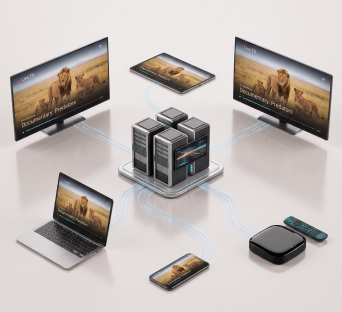
Для IPTV-оператора запуск сервиса на одном типе устройства уже редко решает задачу полностью. Пользователь может смотреть линейные каналы на телевизоре, продолжить просмотр на смартфоне, открыть архив в браузере или использовать IPTV-приставку как основной домашний экран. Поэтому развитие сервиса в сторону нескольких клиентских платформ – это не просто выпуск дополнительных приложений, а изменение архитектуры, процессов разработки и модели эксплуатации.