








Product request
You are looking for a solution:

Select an option, and we will develop the best offer
for you


IPTV and E-commerce: Prospects of Built-in Online Stores on the TV Screen
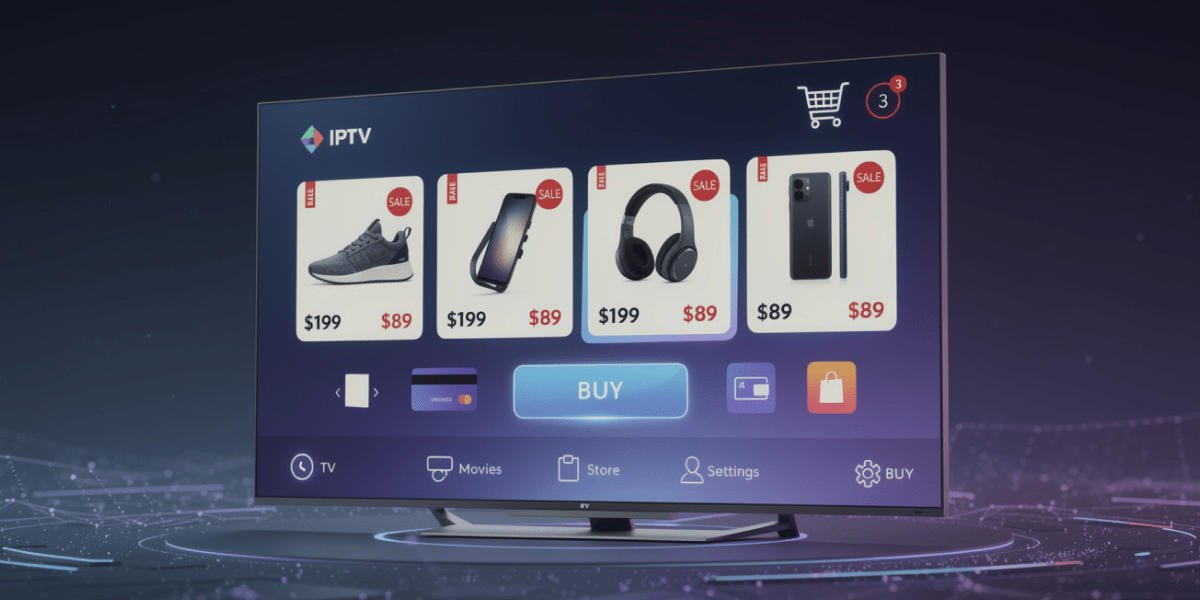
Over the past few years, IPTV platforms have gone beyond being merely a channel for delivering television content. What we're now seeing is modern set-top boxes and middleware evolving toward full-fledged interactive ecosystems that combine video, services, and digital products. Against this backdrop, the market’s growing interest in integrating e-commerce into the TV interface appears entirely logical.
Television remains the most widespread and familiar screen in the home, while IPTV provides a controlled and personalized environment. For operators and integrators, these digital marketplaces on TV create an opportunity to turn it not only into a source of entertainment, but also a point of sale embedded in everyday user behavior.
Why E-commerce on TV Is Becoming Relevant Again
Of course, impulse buying via TV screen shopping is not new,, but it's IPTV that has removed key technological limitations. The high performance of modern set-top boxes, HTML5-based interfaces, and support for APIs and payment gateways make OTT commerce integration possible by creating user-friendly stores without compromising on UX.
Another important factor regarding interactive TV commerce is the shift in consumer behavior. Users are already accustomed to interacting with services via Smart TV, launching applications, subscribing to services, and paying for content. The transition from purchasing digital services to ordering physical goods becomes a natural continuation of this logic and will ultimately influence IPTV operator business models.
Built-in Store as Part of the IPTV Platform
Today, TV-based online stores within IPTV are not standalone applications but an organic part of the interface. These can be embedded in the main menu, appear as contextual offers, or accompany video content. For example, the latest UX design for TV commerce can link products to the themes of channels, programs, or advertising segments.
For operators and integrators looking at IPTV monetization, the flexibility of such solutions is critical. The store can function as a proprietary sales channel, as a showcase for partner products, or as a white-label solution for third-party brands. At the same time, catalog management, pricing, and promotions are handled centrally, without the need to update set-top box firmware.
Benefits for Operators, Distributors, and B2B Partners
For IPTV/OTT operators, built-in e-commerce represents a new revenue stream independent of the traditional subscription model. Selling goods, services, and subscriptions helps increase ARPU and reduce subscriber churn through a stronger ecosystem effect.
Distributors and wholesale buyers of IPTV set-top boxes gain an additional argument in favor of more functional devices. IPTV e-commerce support increases the value of the hardware solution, simplifies its market positioning, and opens opportunities for cross-platform retail integration projects with operators and brands.
Technological and Organizational Challenges
Despite their strong potential as IPTV revenue streams, built-in stores require careful implementation. One of the key issues of in-app purchases on IPTV remains ease of control via the remote: the interface must be intuitive, fast, and not overloaded. Mistakes at this stage can negate the entire potential of the solution.
Equally important to increased user engagement on TV platforms are billing, logistics, and customer support considerations. The IPTV platform must integrate seamlessly with payment systems, CRM tools, and the e-commerce backend. For B2B players, ready-made modules and partner solutions that lower the entry barrier are particularly valuable.
The Future of IPTV as a Commerce Platform
In the coming years, built-in e-commerce on television platforms and the future of TV shopping generally will evolve toward greater personalization and automation. Data on viewing habits, user interests, and activity times means that it's possible to generate relevant offers using IPTV value-added services without aggressive advertising. This makes the purchasing process less intrusive and more effective.
For the IPTV market, data-driven TV sales channels and interactive content monetization signify a shift from a “content delivery pipe” to a полноцен digital storefront.
Operators, integrators, and equipment vendors that are already incorporating e-commerce support into their solutions gain a clear strategic advantage for the next stage of the IPTV applications ecosystem.
Recommended

How to Improve Viewer Retention with Smart Push Notifications
In today’s IPTV market, competition for viewer attention has become just as intense as the battle for content.

How to Properly Build a Staging Environment for Testing IPTV Updates
Any update in an IPTV ecosystem affects more than just one component. Changes in set-top box firmware, the client application, middleware, or content delivery logic can impact authentication, channel launch, EPG, VoD, DRM, and even network stability on the subscriber device side.

B2B niches for IPTV: from hotels to corporate TV
IPTV is increasingly going beyond the boundaries of the classic operator business and consumer TV. For the B2B segment – from hotels and business centers to medical facilities and corporate offices – IPTV is becoming a tool for service, communication, and attention management.