








Product request
You are looking for a solution:

Select an option, and we will develop the best offer
for you


Dark Mode, Adaptive Interface, and Personalization — Modern UI Standards for TV
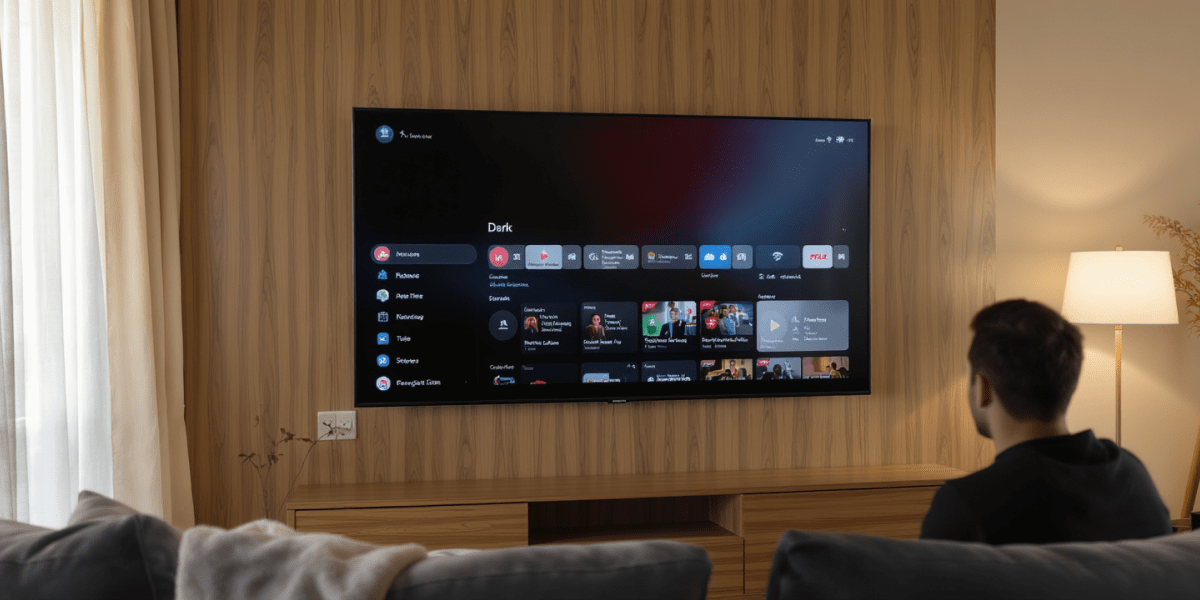
A few years ago, the user interface of IPTV platforms was perceived as a secondary element, with the main focus being on stable video playback. But today, when viewers are able to choose between dozens of services, design and convenience have become decisive.
Modern smart TV interface expectations push operators to rethink UI as a retention tool rather than decoration. Three key directions — dark theme, adaptive TV interface, and personalized TV experience — have already become baseline requirements that IPTV operators can no longer ignore.
Why visual comfort is the new UX
Most viewers watch TV in the evening, in low lighting. A dark theme reduces eye strain, improves color perception, and increases contrast. This is not only about aesthetics — it directly impacts retention. Psychologically, the viewer interacts longer with an interface that does not fatigue the eyes and supports low-light viewing.
For operators, it’s also a matter of identity. Dark UI concepts help emphasize branding, create emotional perception, and make content the central visual element. This is especially relevant for smart TV UI on OLED displays, where dark tones save energy and create deeper imagery while maintaining modern TV UI standards.
Adaptivity — a mandatory condition for a multimedia ecosystem
Today’s users watch IPTV not only on TV but also on smartphones, tablets, and laptops. A single interface must display correctly across all screens and adapt to different control types — remote, touch, or voice. A truly adaptive layout ensures stable performance regardless of device or environment.
Key tasks of an adaptive interface for operators include maintaining
- responsive design that scales correctly across screens
- unified navigation logic across all TV apps
- fast UI response on devices with different network speeds and performance levels
Flexible middleware platforms such as Ministra PRO allow operators to build an interface that works consistently on Smart TVs, mobile applications, and MAG set-top boxes. This creates a seamless smart TV UX, strengthens TV interface accessibility, and reduces the number of support requests.
Personalization as a retention tool
A modern TV interface increasingly reflects the preferences of a specific viewer. User profiles, dynamic home screens, and personalized navigation transform the interface into a tailored experience.
Personalized UI elements, such as content recommendations, resume-watch prompts, and notifications aligned with individual viewing preferences, significantly enhance engagement.
For operators, this means:
- reduced churn through user-centric TV design
- increased time spent with the service
- growth in subscription conversions and additional sales
Platforms with built-in analytics can monitor user behavior and automatically adjust the interface. This enables a deeply personalized TV experience aligned with real interests.
Technologies that make the interface come alive
Implementing adaptivity and personalization requires both design expertise and technological maturity. Platforms like Ministra PRO support integration with analytics systems, API tools for TV app customization, and flexible interface customization capabilities. They also enable accessibility modes, ensuring that the UI works equally well for all categories of users.
MAG set-top boxes ensure smooth, high-performance operation even under heavy load, supporting modern display standards like HDR, UHD, and high refresh rates. As a result, the viewer experiences immersive TV navigation with intuitive controls, while the operator strengthens retention and service value.
Dark mode, adaptive interfaces, and personalization are no longer trends — they are the new modern UX standards for IPTV. These elements directly influence brand perception, viewer retention, and service profitability. Operators who invest in UI and UX are, in essence, investing in long-term relationships with their audience.
Today’s user chooses not only content — they choose comfort, style, and attention to detail. Modern UI is the foundation on which this choice is built.
Recommended
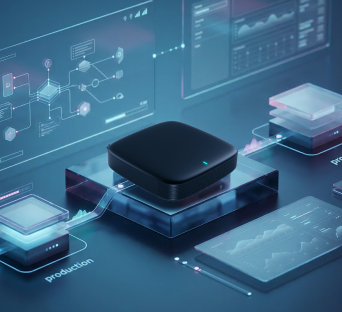
How to Properly Build a Staging Environment for Testing IPTV Updates
Any update in an IPTV ecosystem affects more than just one component. Changes in set-top box firmware, the client application, middleware, or content delivery logic can impact authentication, channel launch, EPG, VoD, DRM, and even network stability on the subscriber device side.
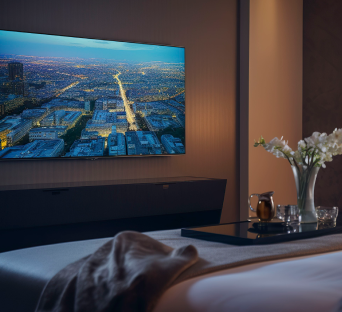
B2B niches for IPTV: from hotels to corporate TV
IPTV is increasingly going beyond the boundaries of the classic operator business and consumer TV. For the B2B segment – from hotels and business centers to medical facilities and corporate offices – IPTV is becoming a tool for service, communication, and attention management.

Single Sign-On in IPTV: Simplifying Access Without Compromising Security
The IPTV and OTT market has long moved beyond the idea of content only being viewed on a single screen.