


Product request
You are looking for a solution:

Select an option, and we will develop the best offer
for you


Total recall: the 25 Most Memorable Events in TV History
What will the future be like? This question is pondered by both philosophers and businessmen alike. Many modern ideas and technologies have their origins in the past, and the most recent hi-tech gadgets had their beginnings long before we were born.
Let’s recall what was happening in the TV industry 20, 50 and 100 years ago, when people had no idea they couldn’t live without Smart TV or Netflix.

TV technology has always been changing and will continue to do so again and again. Engineering advancements, political events, and cultural shifts create a desire for more formats and opportunities among the viewers. Each new progression spoils the viewers even more. Nevertheless, the interest and demand for TV are eternal. The only question is which shape it will take and how operators and manufacturers can keep up with it.
Recommended
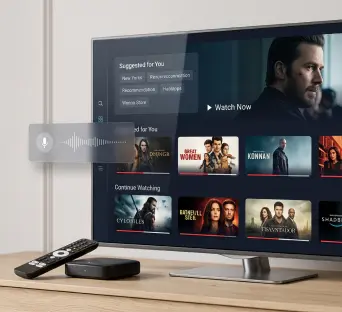
Interactive TV Trends on Google TV: What to Know in 2027
When choosing a television platform for 2027, businesses need to assess more than picture quality and the app selection. Equally important considerations are how viewers will find content, what capabilities the operator will have, and how predictably the equipment will perform after updates.
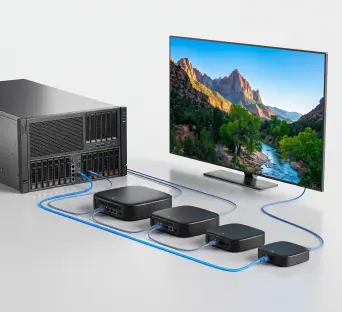
How to Reduce Video Delivery Costs Without Compromising Quality: CDN, Edge Cache, and Multi-CDN
As an IPTV/OTT service’s audience grows, so do both revenue and video delivery costs. For an operator, this means additional terabytes of outbound traffic. For a hotel, it means greater pressure on its internet connection. And in the case of maritime transport, it means the video service has to compete with other applications for limited bandwidth.
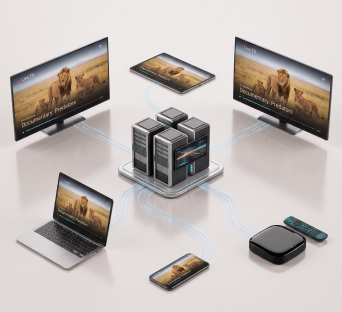
How to Expand an IPTV Platform to Web, Android, iOS, and Smart TV
For an IPTV operator, launching a service on just one type of device is rarely enough anymore. With users now watching linear channels on a TV, viewing content on a smartphone, opening catch-up content in a browser, or using an IPTV set-top box as the main screen at home, expanding a service across multiple client platforms is not simply a matter of releasing additional apps.